Water Damage Remediation in Wilmington, NC
Water damage remediation services involve the process of restoring a property after water intrusion caused by leaks, flooding, or plumbing failures. These services typically address a variety of projects, including water extraction, drying, mold prevention, and structural repairs. Homeowners should understand that the goal is to remove excess moisture, prevent further damage, and restore the property to a safe and livable condition. Before requesting water damage remediation, property owners often seek information about the extent of the damage, the types of water involved (clean, gray, or black water), and the methods used to dry and disinfect affected areas.
It is important for property owners to know that water damage remediation can cover both small-scale incidents, such as a burst pipe in a single room, and larger events like basement flooding. Clarifying the scope of work, including whether structural repairs or mold remediation are necessary, helps ensure expectations are aligned. Understanding the process and the importance of prompt action can assist homeowners in making informed decisions to protect their property and health after water-related incidents.
Many property owners in Wilmington, NC look into Water Damage Remediation for repairs, replacements, upgrades, and appearance-related improvements.
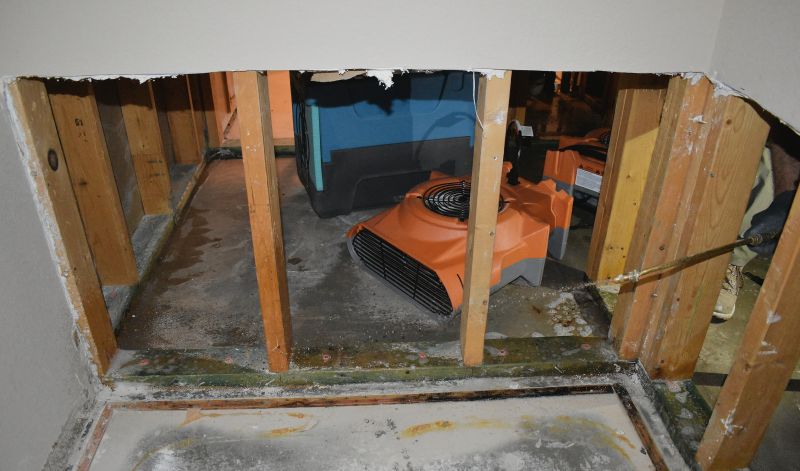
Identifying Water Damage
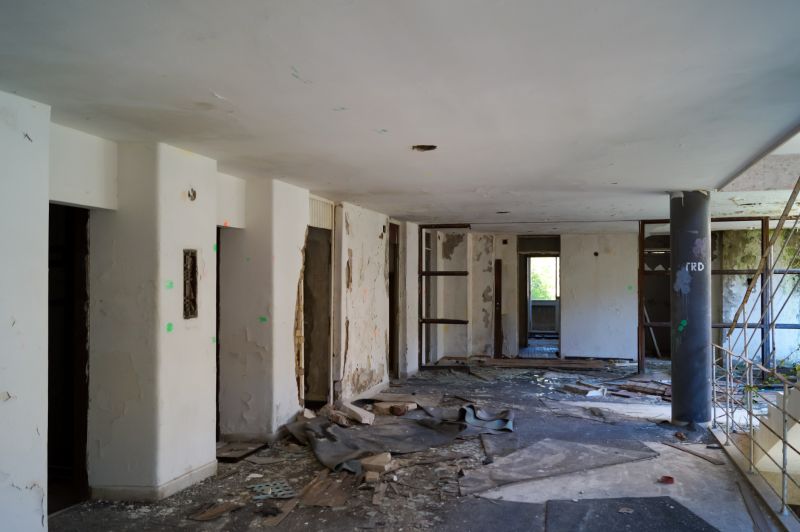
Recognizing signs of water intrusion helps prevent further property issues.
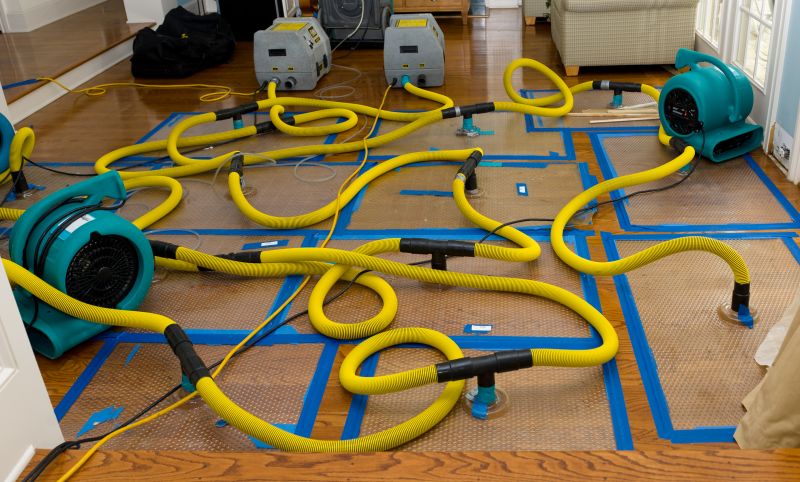
Restoration And Drying
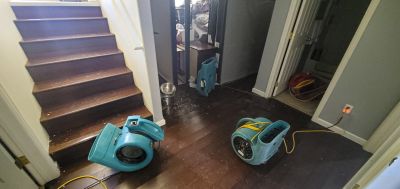
Effective drying techniques restore affected areas and reduce mold risks.
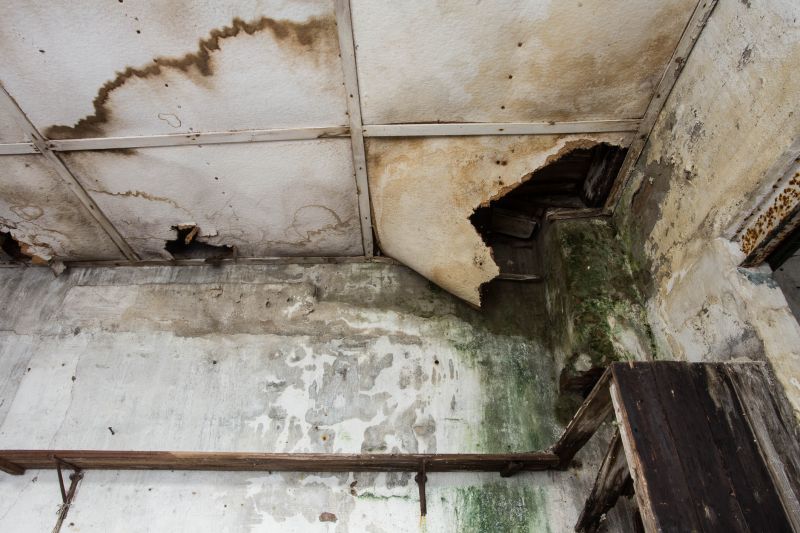
Preventative Measures
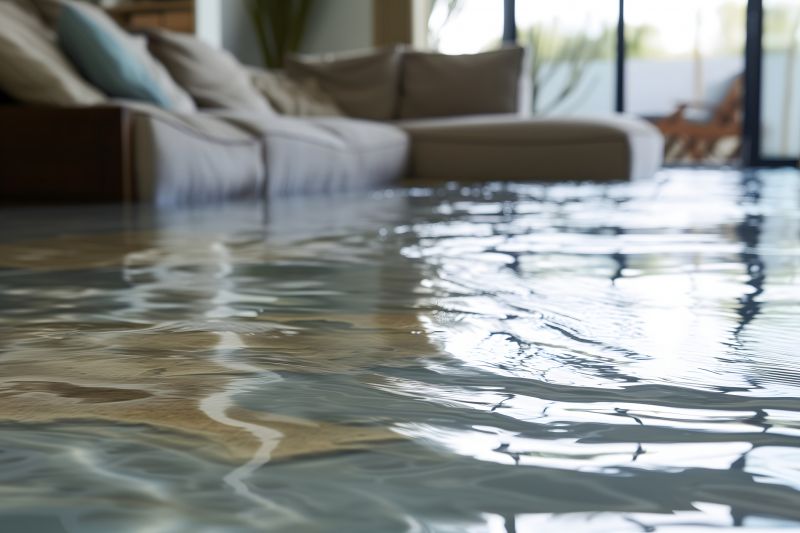
Implementing proper drainage and waterproofing protects wilmington homes from future damage.
Water Damage Remediation in Wilmington, NC
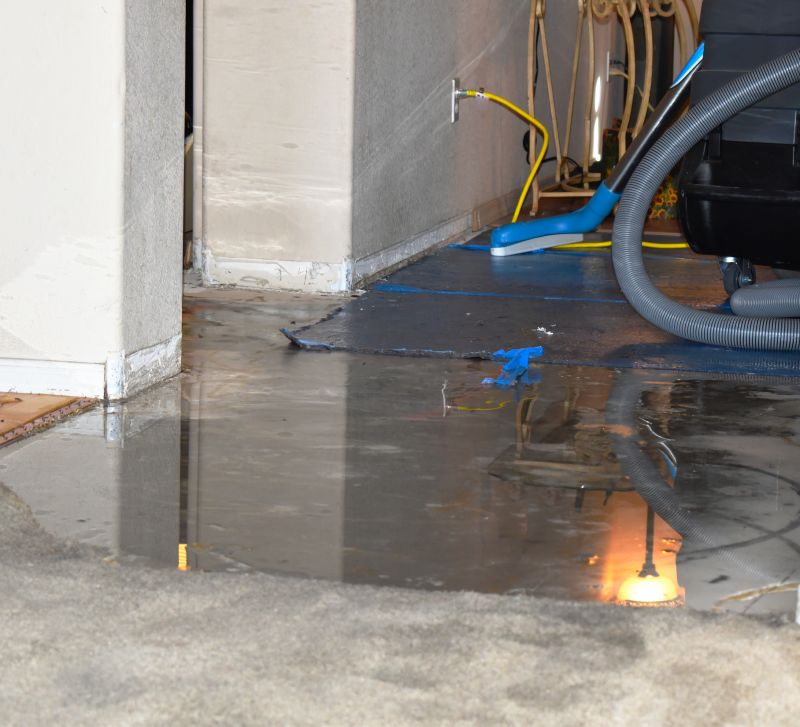
Water damage remediation services involve the process of restoring a property after water intrusion caused by leaks, flooding, or plumbing failures. These services typically address a variety of projects, including water extraction, drying, mold prevention, and structural repairs. Homeowners should understand that the goal is to remove excess moisture, prevent further damage, and restore the property to a safe and livable condition. Before requesting water damage remediation, property owners often seek information about the extent of the damage, the types of water involved (clean, gray, or black water), and the methods used to dry and disinfect affected areas.
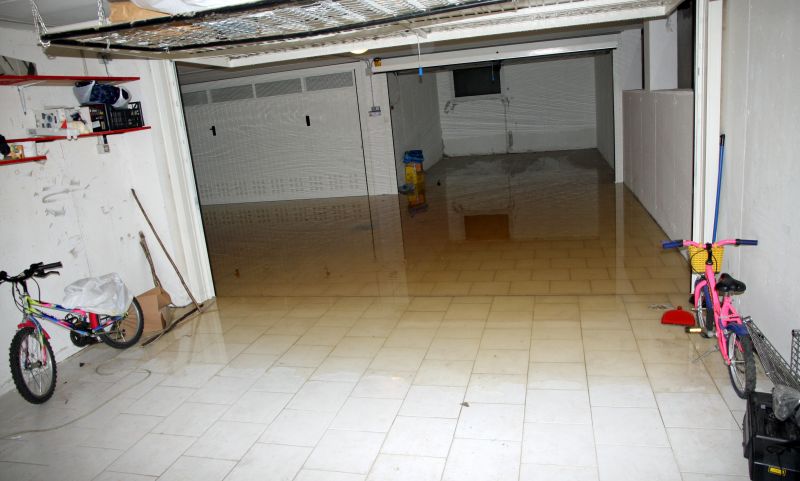
It is important for property owners to know that water damage remediation can cover both small-scale incidents, such as a burst pipe in a single room, and larger events like basement flooding. Clarifying the scope of work, including whether structural repairs or mold remediation are necessary, helps ensure expectations are aligned. Understanding the process and the importance of prompt action can assist homeowners in making informed decisions to protect their property and health after water-related incidents.
Many property owners in Wilmington, NC look into Water Damage Remediation for repairs, replacements, upgrades, and appearance-related improvements.
Common Water Damage Remediation Jobs
Flooded Basement Cleanup - removes standing water and dries affected areas to prevent mold growth.
Roof Leak Repair - addresses leaks that cause water intrusion into attics and ceilings.
Sewer Backup Restoration - cleans and disinfects areas affected by sewage to ensure safety.
Pipe Burst Damage - repairs and dries out areas impacted by broken or frozen pipes.
Storm Damage Water Removal - extracts water from properties damaged by heavy storms and flooding.
Appliance Leak Cleanup - manages water damage caused by malfunctioning appliances or plumbing failures.
Water Damage Remediation Questions
What causes water damage in homes? Water damage can result from leaks, burst pipes, roof leaks, or flooding, leading to moisture intrusion in various areas of a property.
How can water damage affect a property? It can cause structural issues, mold growth, and damage to flooring, walls, and personal belongings if not addressed promptly.
What are common signs of water damage? Signs include discoloration, warping, musty odors, and visible water stains on walls or ceilings.
What steps are involved in water damage remediation? The process typically includes water extraction, drying, cleaning, and mold prevention to restore the affected areas.
Request Water Damage Remediation in Wilmington, NC
Use the quote form on this page to share the basics of your project and request more information for the type of work you need.